
Why Grease Trap Cleaning Malaysia Is Key to Preventing Blockages and Odors
February 15, 2026
Grease Trap Cleaning Malaysia: Best Practices for a Cleaner Environment
March 15, 2026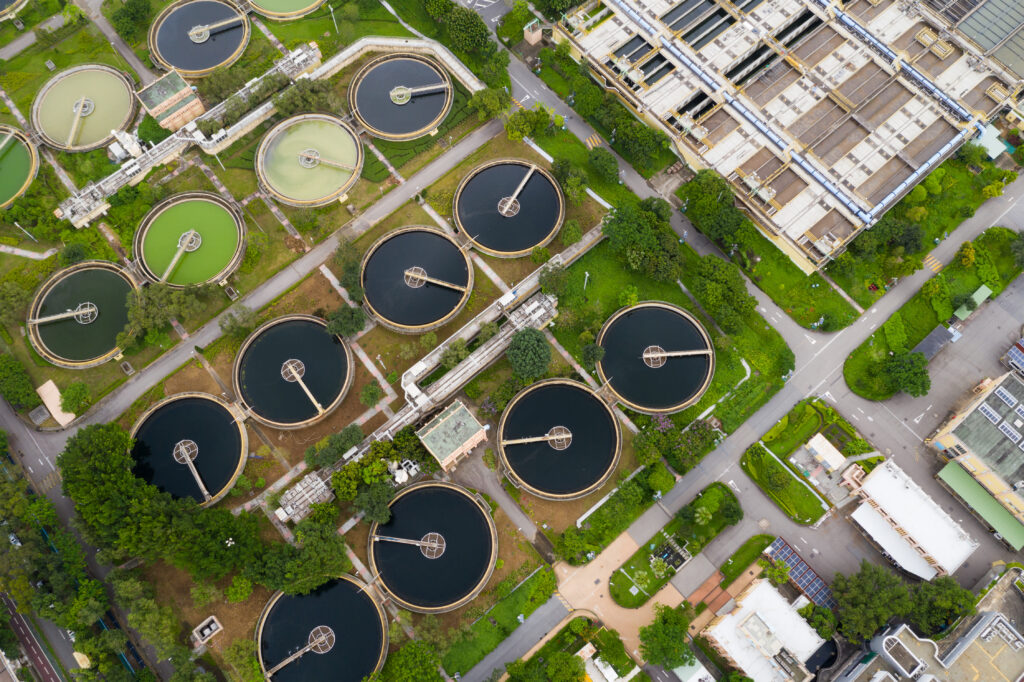
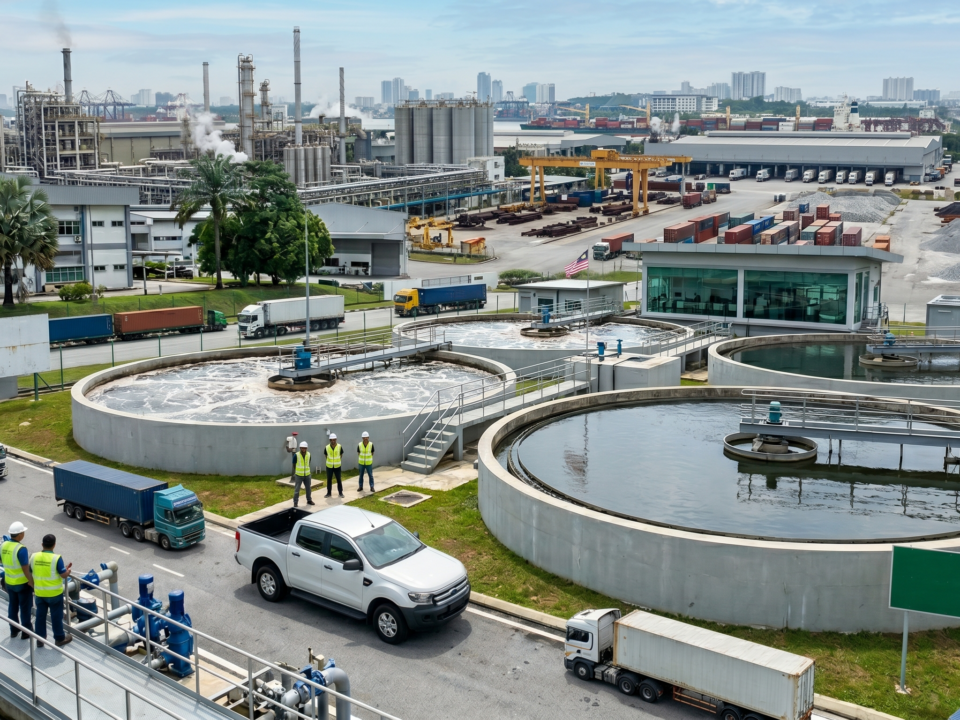
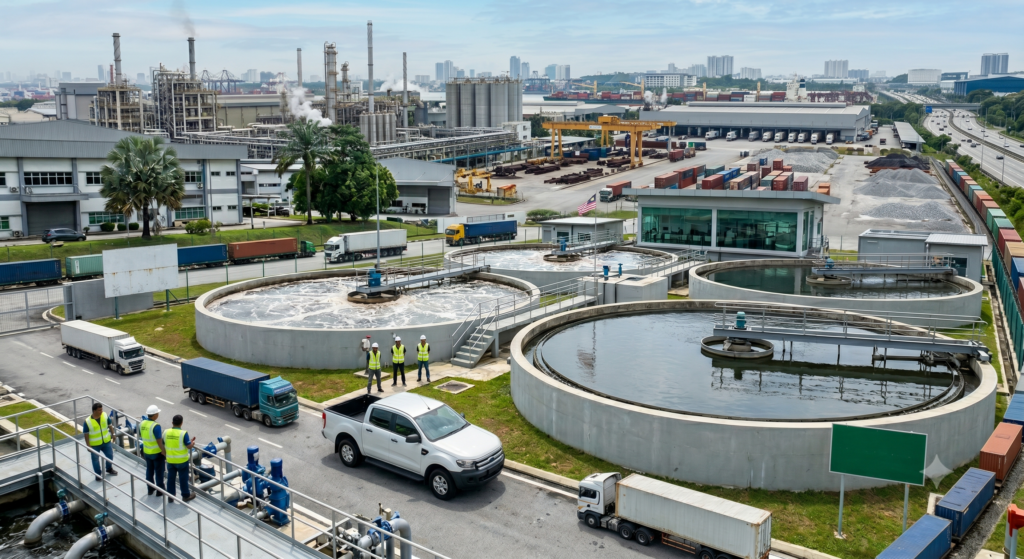
Across Malaysia’s growing urban and industrial landscapes, the importance of sewage treatment plant maintenance has never been greater. As our nation continues to expand, the demand for sustainable wastewater management is rising sharply—making proactive and comprehensive maintenance strategies essential. We believe that effective plant upkeep is not merely a regulatory requirement, but a long-term investment in environmental protection, operational reliability, and public health.
Understanding the Malaysian Context
In Malaysia, sewage systems serve diverse environments—from residential communities and commercial complexes to large industrial zones. Each facility faces its own operational challenges, shaped by factors such as inflow characteristics, sludge composition, and tropical weather patterns. Therefore, sewage treatment plant maintenance cannot follow a one-size-fits-all approach. Instead, it requires an adaptive and data-driven maintenance plan that reflects each plant’s unique load variations, mechanical configurations, and compliance obligations under local standards such as those outlined by the Department of Environment (DOE).
Preventive Maintenance Versus Reactive Repairs
Our experience shows that facilities adopting preventive maintenance regimes experience far fewer operational breakdowns. Regular inspection of aeration systems, pumps, and clarifiers helps detect inefficiencies before they escalate into major issues. Conversely, reactive repairs often result in higher costs, prolonged downtime, and potential non-compliance with discharge standards. By scheduling systematic sewage treatment plant maintenance, operators can preserve treatment efficiency, extend equipment life, and maintain consistent effluent quality—ensuring compliance with both national and local regulations.
The Role Of Technology In Maintenance Optimisation
Digitalisation has transformed how wastewater facilities operate. With the integration of IoT sensors, SCADA systems, and predictive analytics, it’s now possible to monitor performance trends in real time. We use these tools to identify anomalies in flow rates, pH balance, and dissolved oxygen levels—allowing us to act before faults occur. The incorporation of such technologies in sewage treatment plant maintenance helps improve cost efficiency, reduce unplanned downtime, and support data-driven decision-making. In Malaysia’s context, this is especially valuable for municipal councils and private developers aiming to ensure reliable operations under challenging weather conditions.
Training And Workforce Competency
Technology alone is not enough. The competence of the maintenance workforce plays a decisive role in sustaining plant performance. Skilled technicians must be familiar with mechanical, electrical, and biological processes that influence wastewater treatment. Through regular training, certification, and on-site audits, we ensure our teams are equipped to execute sewage treatment plant maintenance safely and efficiently. This focus on continuous skill development aligns with Malaysia’s push toward higher environmental and industrial standards under the 12th Malaysia Plan.
Sustainability And Environmental Stewardship
Effective maintenance directly contributes to sustainability outcomes. Poorly maintained systems can result in untreated discharge, odour problems, and excessive energy consumption—all of which harm the ecosystem. Comprehensive sewage treatment plant maintenance supports Malaysia’s broader environmental objectives, including carbon reduction and water resource preservation. For us, sustainability is not an abstract concept; it’s built into every inspection routine, every equipment calibration, and every operational review we perform.
Data-Driven Maintenance Reporting
Accurate record-keeping and data analytics are essential for transparency and continuous improvement. By analysing maintenance logs, chemical dosing records, and operational KPIs, we can identify performance trends and forecast future maintenance needs. This analytical approach allows facility managers to justify budget allocations, demonstrate compliance, and plan upgrades strategically. In our practice, integrating data reporting into sewage treatment plant maintenance helps create a culture of accountability and evidence-based optimisation.
Towards A Smarter Future For Malaysia’s Sewage Infrastructure
As Malaysia advances toward becoming a fully developed and sustainable nation, the expectations on wastewater infrastructure will only grow. Ageing facilities, evolving environmental laws, and increasing population density demand that maintenance practices evolve too. We believe that the future of sewage treatment plant maintenance lies in a synergy between preventive engineering, smart technology, and human expertise. Together, these elements ensure that Malaysia’s treatment plants continue to operate safely, efficiently, and sustainably—supporting cleaner rivers, healthier communities, and a greener national future.