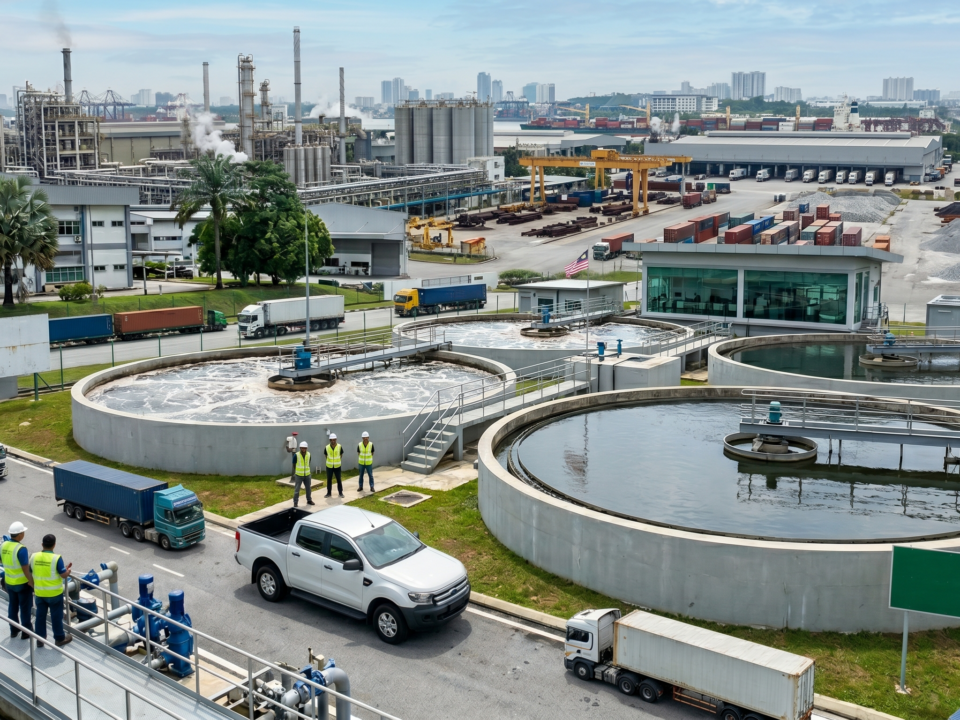


Grease Trap Cleaning Malaysia: Best Practices for a Cleaner Environment
March 15, 2026
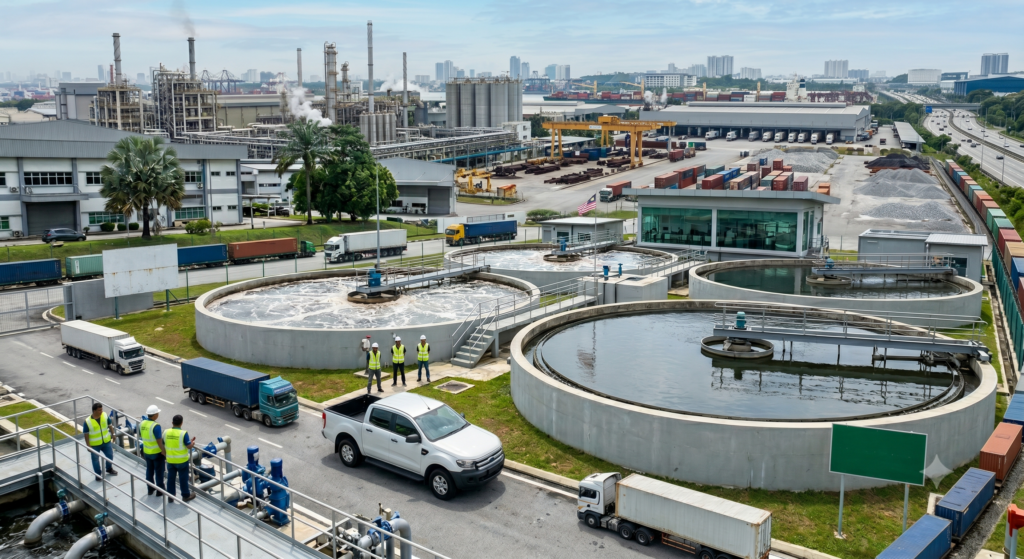
How to Maintain Sewage Treatment Plant Malaysia for Optimal Performance
April 15, 2026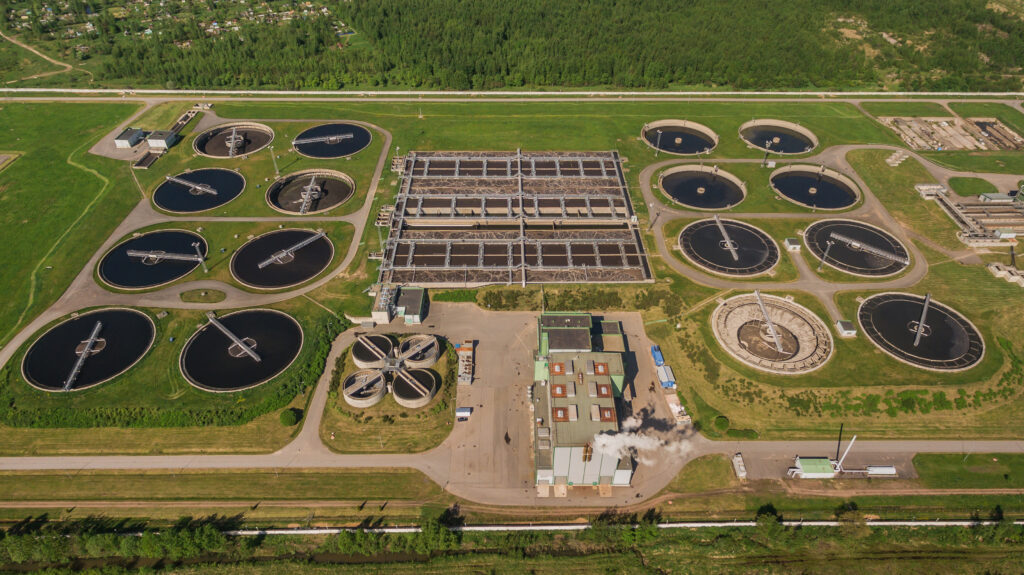
The Role of Sewage Treatment Plant Malaysia in Wastewater Management
In the heart of Malaysia’s journey towards sustainable development, the importance of effective wastewater management cannot be overstated. As custodians of the environment and public health, we at our organisation recognise that a well-operating sewage treatment plant in Malaysia is more than just infrastructure — it is a critical pillar in safeguarding rivers, communities and ecosystems alike.
Why Sewage Treatment Matters
When we speak of a sewage treatment plant in Malaysia, we’re referring to facilities that receive domestic and industrial wastewater, treat it to remove pollutants, and discharge or reuse the cleaned effluent. According to data, Malaysia’s domestic and industrial sectors generate an estimated 2.97 billion m³ of wastewater per year. The scale of that figure underscores why investing in treatment technology and processes is non-negotiable.
Beyond volume, the quality of effluent from treatment influences everything from river health to the resilience of our water supply. A study of a regional plant in Melaka showed that key performance indicators such as influent-BOD and effluent-COD are strong predictors of plant performance.
A robust sewage treatment plant in Malaysia therefore serves multiple purposes: it prevents untreated wastewater entering the environment, it protects public health (especially in high-density urban areas), and it enables opportunities for water reuse or safe discharge.
Core Roles of a Sewage Treatment Plant in Malaysia
1. Pollution Control & River Protection
In Malaysia, domestic wastewater is a significant source of river-pollution load. According to the Department of Environment Malaysia, the NH₃-N (ammoniacal-nitrogen) load from sewage treatment plants rose from 162 tons/day in 2018 to 270 tons/day in 2019. Clearly, the capacity and efficiency of our treatment plants directly influence the health of aquatic ecosystems.
Through proper operation of a sewage treatment plant in Malaysia, we ensure that nutrient-rich effluents, pathogens and suspended solids are significantly reduced before discharge. This function is vital in areas such as Sabah’s coastal communities, where tailored independent sewage treatment plants have helped reduce untreated discharges and conserve marine biodiversity.
2. Public Health and Urban Sanitation
High-density housing and industrial zones generate large volumes of wastewater. A well-designed sewage treatment plant in Malaysia ensures that treatment levels meet regulatory standards, minimising the risk of water-borne diseases and contamination of groundwater or surface waters. The sewerage facilities inventory in Malaysia shows that in 2019 there were over 7,114 public STPs (population equivalent served ~27 million).
By managing wastewater appropriately, we not only comply with regulations but also contribute to healthier living environments across Malaysia.
3. Resource Recovery and Sustainable Reuse
Modern thinking around wastewater treatment emphasises reuse, circularity and recovery. The Malaysian wastewater treatment services market highlights that tertiary treatment is expected to dominate future investment, enabling reuse of effluent for flushing, industrial operations or even irrigation.
As operators or stakeholders in a sewage treatment plant in Malaysia, we see this as a strategic role: to turn a waste stream into a resource stream: treated effluent reused, sludge converted or safely disposed, and energy optimisation achieved (for example through biogas recovery).
4. Technology Adoption & Operational Efficiency
Effective wastewater treatment demands that a sewage treatment plant in Malaysia employs appropriate technologies and is managed with strong operational discipline. Research shows that Malaysia uses treatment technologies such as the Activated Sludge Process (ASP), Membrane Bioreactor (MBR) and Moving Bed Biofilm Reactor (MBBR).
For us, ensuring the right technology is in place and maintained means better pollutant removal, smaller footprint, lower energy, and fewer operational issues. A poorly performing plant not only compromises discharge quality but also can lead to cumulative environmental harm.
Challenges And Our Approach
Operating a high-performing sewage treatment plant in Malaysia is not without its challenges. Some key issues:
- High maintenance cost and skills shortage in the wastewater sector.
- Legacy systems designed only for primary/secondary treatment, rather than tertiary reuse.
- Geographic distribution: remote or island communities may lack full sewerage networks or rely on inefficient systems.
- To address these, we adopt a multi-pronged strategy:
- Partnering with technology providers to upgrade older plants to newer systems (e.g., MBR, MBBR)
- Undertaking continuous monitoring of influent and effluent parameters (BOD, COD, NH₃-N) to ensure compliance and performance optimisation
- Exploring reuse-pathways for treated effluent to deliver value for water-scarce regions
- Engaging with communities to raise awareness of correct wastewater disposal, maintenance of septic systems, and avoidance of illegal effluent discharge
Conclusion
In summary, a sewage treatment plant in Malaysia plays a vital, multifaceted role in wastewater management: it protects our rivers and marine environments, safeguards public health, unlocks opportunities for reuse of water and organic resources, and anchors our national sustainability agenda. At our organisation, we believe that every investment, upgrade and operational improvement in such plants is an investment in Malaysia’s future. By continuing to evolve technologies, strengthen operations and engage communities, we help ensure that wastewater becomes not merely an inevitable by-product, but a managed resource that contributes to a cleaner, more resilient Malaysia.