
The Importance of Sewage Treatment Plant Malaysia in Environmental Conservation
November 26, 2025
How Sewage Treatment Plant Malaysia Contributes to Clean Water Systems
December 5, 2025
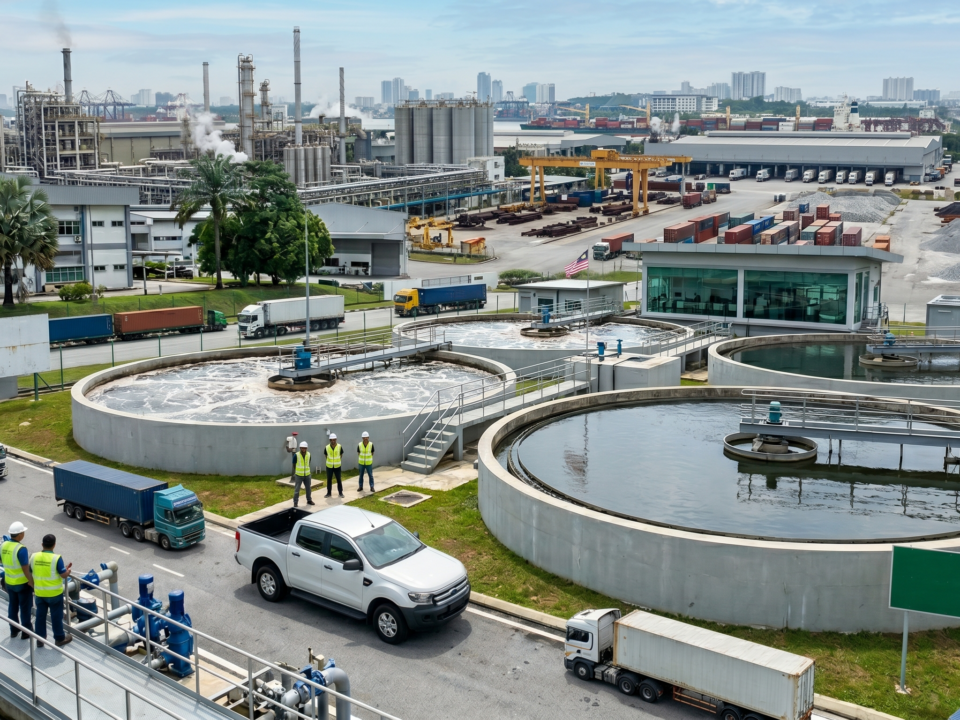
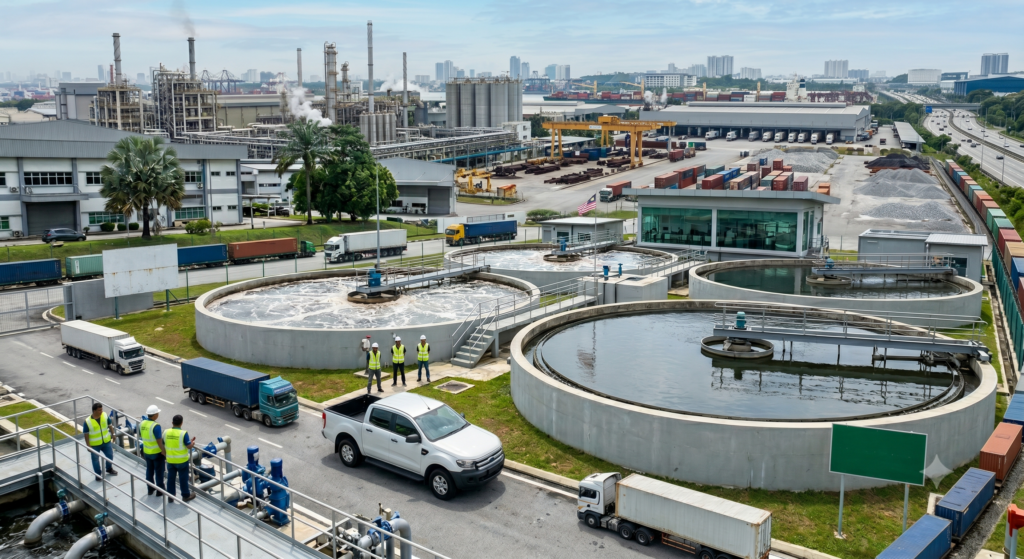
Ensuring that our environment remains clean and safe for future generations begins with how we manage wastewater. Across Malaysia, proper sewage treatment plant maintenance plays a vital role in preventing pollution, maintaining public health, and supporting sustainable urban growth. While modern treatment systems are designed for efficiency and durability, their long-term performance depends heavily on consistent care and monitoring.
As industry professionals, we believe that effective sewage treatment plant maintenance should never be viewed as a one-off task but rather as a continuous process that protects both infrastructure and the ecosystem. Below, we share our expert insights and practical tips to help facility operators, engineers, and building owners optimise their plant performance.
1. Conduct Routine Inspections And Record Findings
The first step towards reliable sewage treatment plant maintenance is a well-structured inspection routine. Regular checks allow early detection of wear, leaks, and blockages that could escalate into costly repairs. Daily or weekly observations of inlet screens, aeration tanks, and pumps help ensure that all components are functioning within design parameters.
We recommend keeping a detailed maintenance log that records flow rates, odour levels, sludge thickness, and mechanical readings. This documentation not only supports compliance with Malaysia’s Department of Environment (DOE) regulations but also makes it easier to track performance trends and identify recurring issues.
2. Prioritise Sludge Management
Neglecting sludge handling can lead to system overload and inefficient treatment. Efficient sludge removal and dewatering are essential aspects of sewage treatment plant maintenance, as excessive accumulation may disrupt the biological balance within aeration tanks.
By scheduling desludging at proper intervals, we can maintain optimal retention times and prevent unpleasant odours or overflows. Additionally, adopting environmentally responsible sludge disposal methods—such as composting or energy recovery—supports Malaysia’s sustainability goals while ensuring regulatory compliance.
3. Calibrate And Service Equipment Regularly
Instrumentation and automation systems are the backbone of any modern treatment facility. Sensors, flow meters, and chemical dosing pumps require regular calibration to deliver accurate readings and effective dosing control. As part of a comprehensive sewage treatment plant maintenance programme, periodic servicing of blowers, motors, and valves helps avoid sudden breakdowns and costly downtime.
We also advise maintaining an inventory of critical spare parts to minimise disruption during emergency repairs. Predictive maintenance using IoT-enabled monitoring tools is an increasingly popular option in Malaysia’s wastewater sector, offering real-time data to improve reliability and efficiency.
4. Train Your Operational Staff
No maintenance plan can succeed without skilled personnel. Continuous training ensures that staff remain competent in plant operation, safety protocols, and troubleshooting techniques. We encourage operators to familiarise themselves with system manuals and emergency procedures, especially in handling chemical dosing or mechanical failures.
A well-trained team not only enhances safety but also extends equipment lifespan through proper care and proactive intervention. Investing in people is, therefore, one of the most valuable components of effective sewage treatment plant maintenance.
5. Monitor Water Quality And Environmental Impact
Maintaining treatment efficiency requires consistent water quality testing. Parameters such as Biochemical Oxygen Demand (BOD), Chemical Oxygen Demand (COD), Total Suspended Solids (TSS), and pH levels must be tested regularly to confirm compliance with DOE discharge standards.
Through disciplined sewage treatment plant maintenance, we can reduce contamination risks, protect local water bodies, and safeguard Malaysia’s biodiversity. Early detection of parameter fluctuations often signals underlying mechanical or biological issues that can be corrected before they escalate.
6. Schedule Professional Audits And System Upgrades
Even with diligent daily checks, engaging a professional auditor or environmental consultant periodically provides an external perspective on plant performance. These assessments identify inefficiencies and highlight areas where upgrades or technology improvements could enhance treatment outcomes.
In our experience, many Malaysian facilities benefit from upgrading to energy-efficient blowers, advanced aeration systems, or smart monitoring platforms. Integrating such enhancements into your ongoing sewage treatment plant maintenance strategy improves sustainability, reduces operating costs, and ensures long-term compliance with national standards.
Conclusion: Consistency Is The Key To Sustainability
Effective sewage treatment plant maintenance is not merely a technical requirement—it is a commitment to protecting Malaysia’s natural resources and ensuring community well-being. By combining regular inspections, skilled staff, proper equipment care, and proactive system audits, we can ensure wastewater systems operate at peak efficiency for years to come.
As responsible industry practitioners, we continue to advocate for maintenance practices that align with both environmental stewardship and operational excellence. After all, a well-maintained treatment plant is the foundation of a cleaner, healthier Malaysia.