

Top Tips for Sewage Treatment Plant Maintenance in Malaysia
November 28, 2025
Essential Guide to Sewage Treatment Plant Maintenance in Malaysia
December 15, 2025
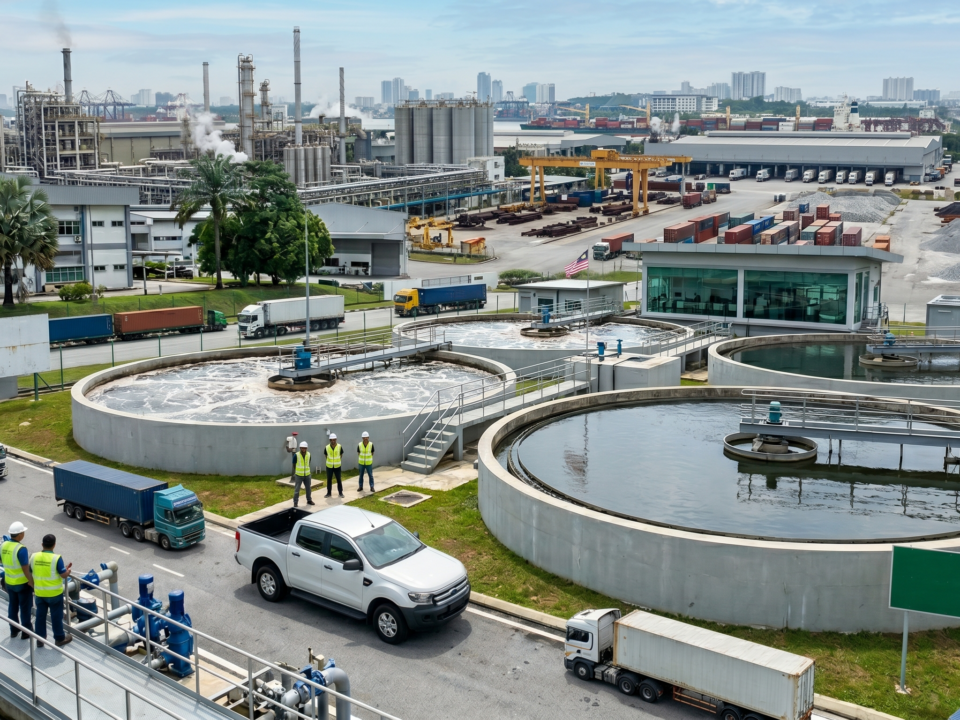
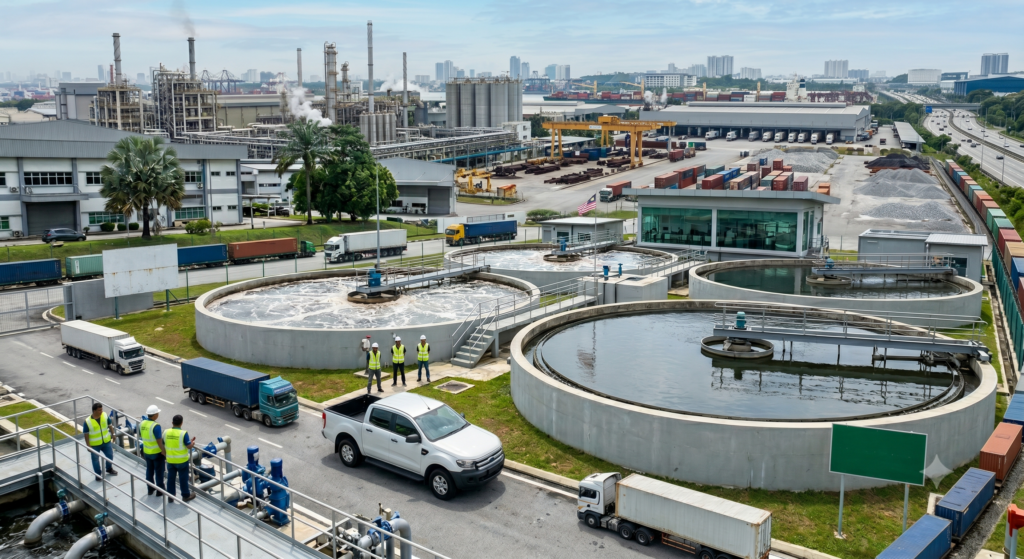
Clean water is the foundation of public health, yet achieving it in a fast-growing nation like Malaysia requires a sophisticated balance of infrastructure, science, and sustainability. As environmental awareness grows, we play an essential role in supporting the country’s transition towards safer, more efficient water management systems. One crucial piece of this puzzle lies in the advancement and proper operation of every sewage treatment plant in Malaysia.
The Critical Role Of Sewage Treatment In Modern Water Management
Urbanisation, industrialisation, and population growth place tremendous stress on Malaysia’s water resources. Without adequate treatment, wastewater from homes, industries, and commercial premises can contaminate rivers, lakes, and coastal zones. That’s where each sewage treatment plant in Malaysia becomes vital — converting contaminated wastewater into an effluent safe enough to return to the environment.
Modern plants now employ multi-stage purification, from primary sedimentation and biological filtration to advanced membrane bioreactor (MBR) technologies. These innovations not only reduce organic loads and suspended solids but also remove harmful pathogens and nutrients. By ensuring that treated water meets Department of Environment (DOE) standards, we help preserve Malaysia’s rivers — a lifeline for both human and ecological health.
How Treated Effluent Reinforces Clean Water Systems
Every drop discharged from a sewage treatment plant in Malaysia contributes to the integrity of the nation’s water cycle. Properly treated effluent replenishes groundwater, sustains wetlands, and reduces dependency on raw freshwater sources. In areas where rainfall is unpredictable, this recycled water can support agricultural irrigation or industrial cooling systems — conserving resources that would otherwise come from natural catchments.
Through continuous monitoring, we ensure the effluent released is free from excessive nitrogen, phosphorus, and heavy metals. This prevents algal blooms and oxygen depletion in rivers — problems that can devastate aquatic ecosystems and fisheries. Over time, effective sewage treatment indirectly boosts Malaysia’s clean-water resilience and biodiversity protection efforts.
Integrating Innovation For Sustainable Wastewater Treatment
In recent years, we have witnessed a paradigm shift from conventional treatment methods to sustainable, technology-driven designs. The newer sewage treatment plant in Malaysia models incorporate energy-efficient aeration systems, sludge-to-energy conversion, and smart sensors that provide real-time data for operational optimisation.
These intelligent systems reduce energy consumption and operational costs while lowering carbon footprints — aligning wastewater treatment with Malaysia’s broader climate and sustainability goals. The integration of renewable energy sources, such as solar panels on plant rooftops, further enhances the environmental value of modern facilities.
Public Health And Community Impact
Beyond environmental benefits, an optimised sewage treatment plant in Malaysia also protects communities from waterborne diseases. Efficient treatment ensures that harmful bacteria, viruses, and parasites are eliminated before wastewater re-enters natural water bodies. This reduces the risks of cholera, dysentery, and other infections that can emerge when contaminated water is used for daily activities.
Moreover, cleaner waterways uplift community well-being. Recreational areas become safer, fisheries more productive, and rural populations gain better access to reliable water sources. In short, effective sewage management strengthens the link between infrastructure and human welfare.
Policy, Regulation, And Long-Term Planning
Malaysia’s water future depends not just on technology but also on strong policy enforcement and stakeholder collaboration. Under national frameworks such as the Water Services Industry Act (WSIA) and the Environmental Quality Act, all sewage treatment plant in Malaysia operations are required to meet stringent discharge standards.
We advocate for continuous investment in capacity building — from upgrading ageing plants to training skilled operators. As more municipalities adopt decentralised or modular systems, the country can better respond to regional water challenges. Collaborative planning between government agencies, engineers, and communities ensures that wastewater infrastructure evolves alongside urban expansion.
A Shared Responsibility For A Cleaner Future
Clean water is not an infinite resource. Every effort we make to maintain and enhance each sewage treatment plant in Malaysia strengthens the nation’s commitment to sustainability. By combining innovation, policy, and community engagement, we can continue to protect rivers, preserve ecosystems, and secure a healthier tomorrow for generations to come.
At the heart of our work lies a simple conviction: when wastewater is responsibly managed, clean water systems thrive — and so does Malaysia.