
How Sewage Treatment Plant Malaysia Contributes to Clean Water Systems
December 5, 2025
Why Regular Grease Trap Cleaning Malaysia Is Crucial for Your Business
January 5, 2026
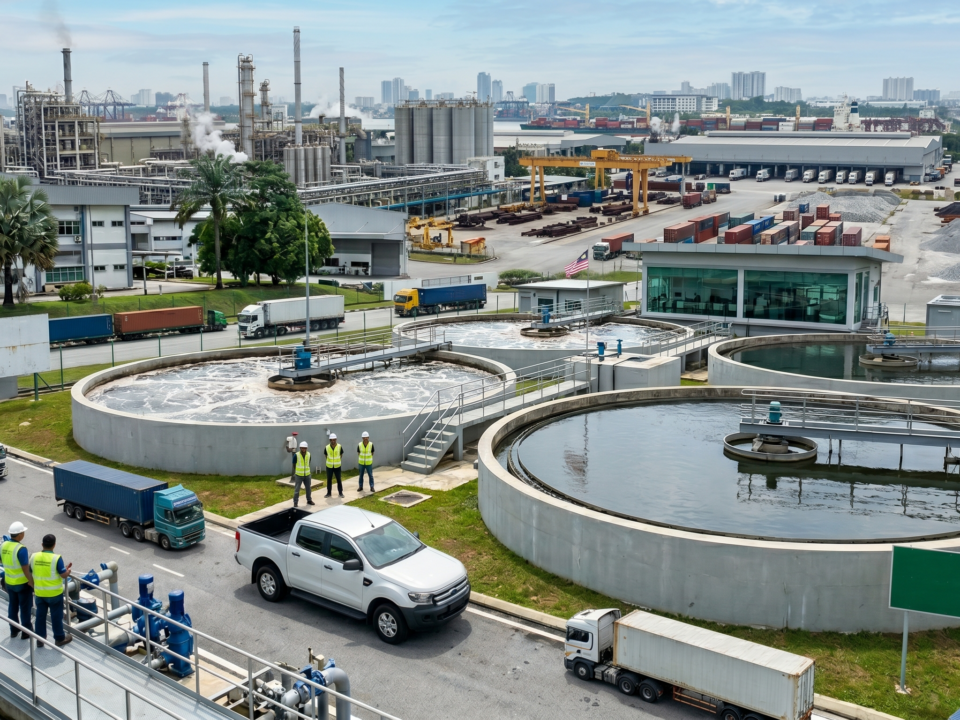
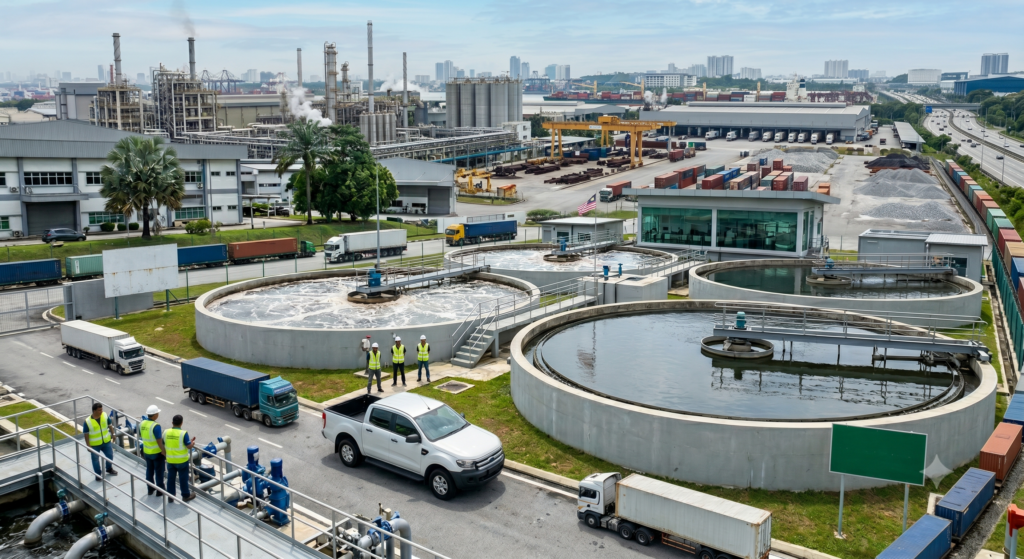
Keeping our environment clean and communities healthy begins beneath the surface—literally. In Malaysia, where urban growth and industrial development continue to expand, the role of efficient wastewater management has never been more critical. At the heart of this process lies sewage treatment plant maintenance, an area often overlooked yet vital in ensuring sustainable water management and regulatory compliance.
Understanding The Importance Of Regular Maintenance
A well-functioning sewage treatment system is more than just a legal requirement; it’s an environmental responsibility. Routine sewage treatment plant maintenance helps prevent unexpected breakdowns, system overloads, and costly repairs. When neglected, even minor faults can escalate into significant environmental hazards such as effluent leakage, odour issues, and contamination of local waterways.
In Malaysia, most treatment plants operate under strict Department of Environment (DOE) guidelines. Regular inspections, proper documentation, and preventive actions ensure that effluent quality consistently meets national discharge standards. By investing in a structured maintenance plan, we not only protect public health but also preserve natural ecosystems that rely on clean water sources.
Key Components Of Effective Maintenance
Comprehensive sewage treatment plant maintenance involves both mechanical and biological processes. On a technical level, pumps, blowers, filters, and control panels must be inspected and serviced periodically to prevent operational failures. These components are the backbone of the system, ensuring steady oxygen supply, sludge management, and process stability.
Biologically, maintaining the correct microbial balance is crucial. The microorganisms within the treatment tanks perform the essential task of breaking down organic matter. When chemical concentrations, temperature, or pH levels fluctuate, the biological process can weaken—leading to poor treatment efficiency. That’s why regular sampling and lab analysis form an integral part of the maintenance cycle, allowing early detection of imbalances before they affect output quality.
Challenges Faced In The Malaysian Context
While the fundamentals of sewage treatment plant maintenance are universal, Malaysia presents unique challenges. High humidity, heavy rainfall, and fluctuating loads due to seasonal population changes can all impact plant performance. For example, stormwater intrusion during monsoon seasons often dilutes influent concentration, causing instability in the treatment process.
Another concern lies in ageing infrastructure, especially in older developments where treatment plants were built decades ago. Many of these systems operate on outdated technology with limited automation, making manual monitoring essential. Through proper maintenance scheduling, upgrading key equipment, and adopting digital monitoring systems, we can extend the lifespan and efficiency of these older facilities.
Sustainable Practices For Long-Term Reliability
At our organisation, we strongly advocate for proactive and sustainable sewage treatment plant maintenance practices. This means moving beyond reactive fixes towards predictive and preventive strategies. Smart monitoring technologies—such as real-time sensors and automated alerts—now enable operators to track water quality, sludge volume, and aeration levels remotely.
Furthermore, energy-efficient blowers and pumps significantly reduce electricity consumption, while routine sludge management ensures that the by-products can be safely reused or disposed of in compliance with environmental regulations. These measures not only minimise operational costs but also contribute to Malaysia’s broader sustainability goals aligned with the Twelfth Malaysia Plan (12MP).
The Role Of Trained Personnel And Standard Procedures
Maintenance is only as effective as the people who carry it out. Proper training ensures that on-site operators can recognise early warning signs, handle equipment safely, and adhere to DOE reporting procedures. We believe continuous education and hands-on experience are essential for maintaining excellence in sewage treatment plant maintenance.
In addition, documentation plays a key role. Every inspection, repair, and sampling result should be recorded in detail. A transparent record-keeping system not only supports compliance audits but also helps track performance trends, making future decision-making more informed and strategic.
Our Commitment To A Cleaner Future
As part of Malaysia’s growing environmental awareness, we remain committed to upholding the highest standards in sewage treatment plant maintenance. Our focus is not merely on meeting regulatory requirements but on ensuring that every system we manage operates efficiently, safely, and sustainably.
By maintaining robust treatment infrastructure, we contribute to cleaner rivers, safer communities, and a more resilient ecosystem. Together, through consistent maintenance and shared responsibility, we can safeguard Malaysia’s water resources for generations to come.