
Sewage Treatment Plant Malaysia, Compliance and Cost Savings
May 13, 2026Common Errors in Sewage Treatment Plant Malaysia Maintenance
May 20, 2026
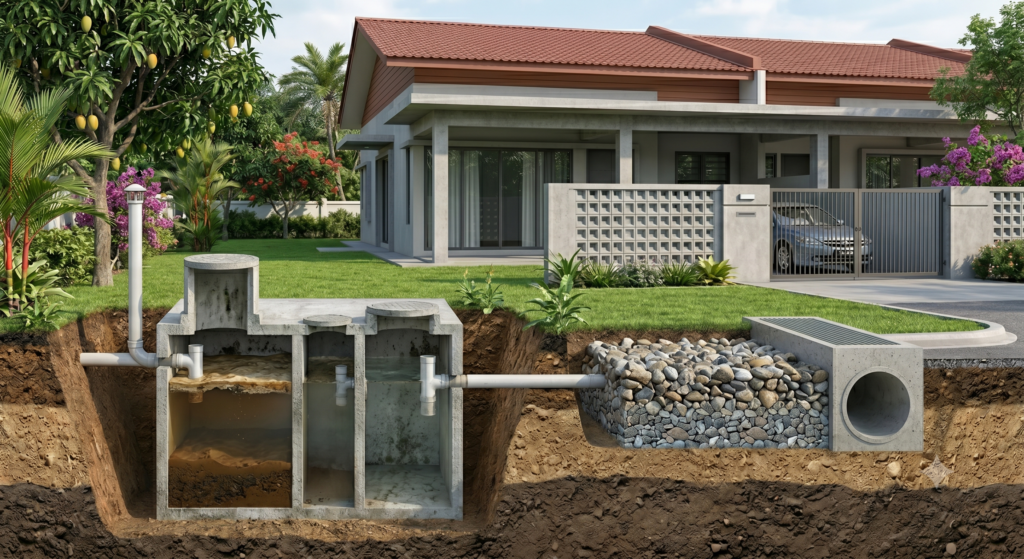
That lingering operational issue you can’t quite put your finger on? It might be lurking at the bottom of your treatment tank. For many businesses across Malaysia, sewage sludge is an out-of-sight, out-of-mind problem that slowly builds into a significant financial and regulatory headache. It’s more than just a by-product; it’s a direct reflection of your plant's health and a major factor in your operational budget. Ignoring it leads to foul odours, costly emergency repairs, and potential fines. However, with a strategic approach, this liability can be transformed. This article will explore how to move beyond basic maintenance and develop a comprehensive sludge management strategy that ensures compliance, improves efficiency, and even uncovers hidden value within your waste stream.
Navigating Compliance Risks and Liabilities
In Malaysia, the Department of Environment (DOE) sets clear standards for wastewater discharge under the Environmental Quality Act 1974. A key reason for failing to meet these standards is often poor sludge management. When sludge accumulates beyond a plant’s design capacity, it compromises the entire treatment process. Solids can get carried over into the final effluent, pushing pollutant levels above legal limits. This isn't just a technical problem; it's a serious business risk. Non-compliance can lead to hefty fines, stop-work orders, and damage to your company's reputation. At Bersih Sewerage, we help you understand these specific regulatory pressures and implement practices to ensure your operations remain fully compliant, protecting you from unforeseen penalties and operational disruptions.
Evaluating Your Current Sludge Disposal and Maintenance
How do you currently handle sludge? For many, the answer is "we call for disposal when it becomes a problem." This reactive approach is both inefficient and costly. A proper evaluation of your desludging frequency, disposal methods, and maintenance schedules is the first step towards optimisation. Are your disposal contractors certified? Is the sludge being taken to a licensed facility? Improper disposal not only harms the environment through potential soil and water contamination but also places your business in a position of liability. We help our clients analyse their existing practices, identifying gaps and inefficiencies. A scheduled maintenance plan, rather than an emergency call-out, reduces costs and ensures your sewage treatment plant malaysia operates smoothly without unscheduled downtime.
Optimising Plant Performance for Malaysian Conditions
A "one-size-fits-all" approach to sewage treatment rarely works, especially in Malaysia's unique climate. High humidity and intense rainfall can significantly impact the biological processes within your treatment plant, often leading to increased sludge production and performance issues. Optimising your system means fine-tuning it to local conditions. This could involve adjusting aeration levels to match biological oxygen demand, modifying chemical dosing to improve settlement, or implementing process controls that adapt to fluctuating loads. The goal is to enhance treatment efficiency, which in turn minimises the volume of sludge produced. A more efficient plant is cheaper to run and easier to maintain, directly impacting your bottom line.
Exploring Opportunities in Sludge Resource Recovery
What if you could turn your biggest waste stream into a valuable resource? The concept of a circular economy is gaining traction, and sewage sludge is a prime candidate for resource recovery. Instead of simply paying to have it hauled away and landfilled, innovative processes can transform sludge into useful products. Depending on its composition, treated sludge can be converted into:
- Compost or soil conditioner: Rich in organic matter and nutrients, it can be used in agriculture or landscaping after proper treatment to eliminate pathogens.
- Biofuel: Through processes like anaerobic digestion, sludge can produce biogas, a renewable energy source that can be used to generate electricity or heat.
- Construction materials: Incinerated sludge ash can be incorporated into bricks, cement, or asphalt, reducing the need for virgin raw materials.
Exploring these opportunities shifts the conversation from waste disposal costs to potential revenue streams and a stronger corporate sustainability profile.
Developing a Strategic Roadmap for Sludge Management
Bringing it all together requires a clear, actionable plan. A strategic roadmap moves your organisation from a reactive to a proactive stance on sludge management. This process begins with a comprehensive audit of your current system, from sludge production to final disposal. We then work with you to streamline logistics, especially for businesses with multiple or decentralised treatment sites, ensuring collection is efficient and cost-effective. By quantifying the potential financial improvements—through reduced disposal fees, lower operational costs, and avoided fines—we build a powerful business case for investment. This roadmap provides a step-by-step guide to transforming your sewage treatment plant malaysia from a cost centre into a highly efficient, compliant, and sustainable asset.
Ultimately, overlooking sludge is no longer an option. The risks are too high and the missed opportunities too great. A strategic, well-managed approach to sewage sludge is fundamental to modern, responsible business operations in Malaysia. It’s about more than just compliance; it's about building operational resilience, controlling costs, and demonstrating environmental leadership. By re-evaluating your practices—from routine maintenance to resource recovery—you can unlock surprising efficiencies and financial benefits. If you're ready to take control of your sludge management and turn a hidden liability into a strategic advantage, our team is here to help you develop a customised roadmap for a cleaner, more profitable future.