
Sludge, Costs and Your Sewage Treatment Plant Malaysia
May 15, 2026
Sewage Treatment Plant Malaysia: Compliance and Cost
May 25, 2026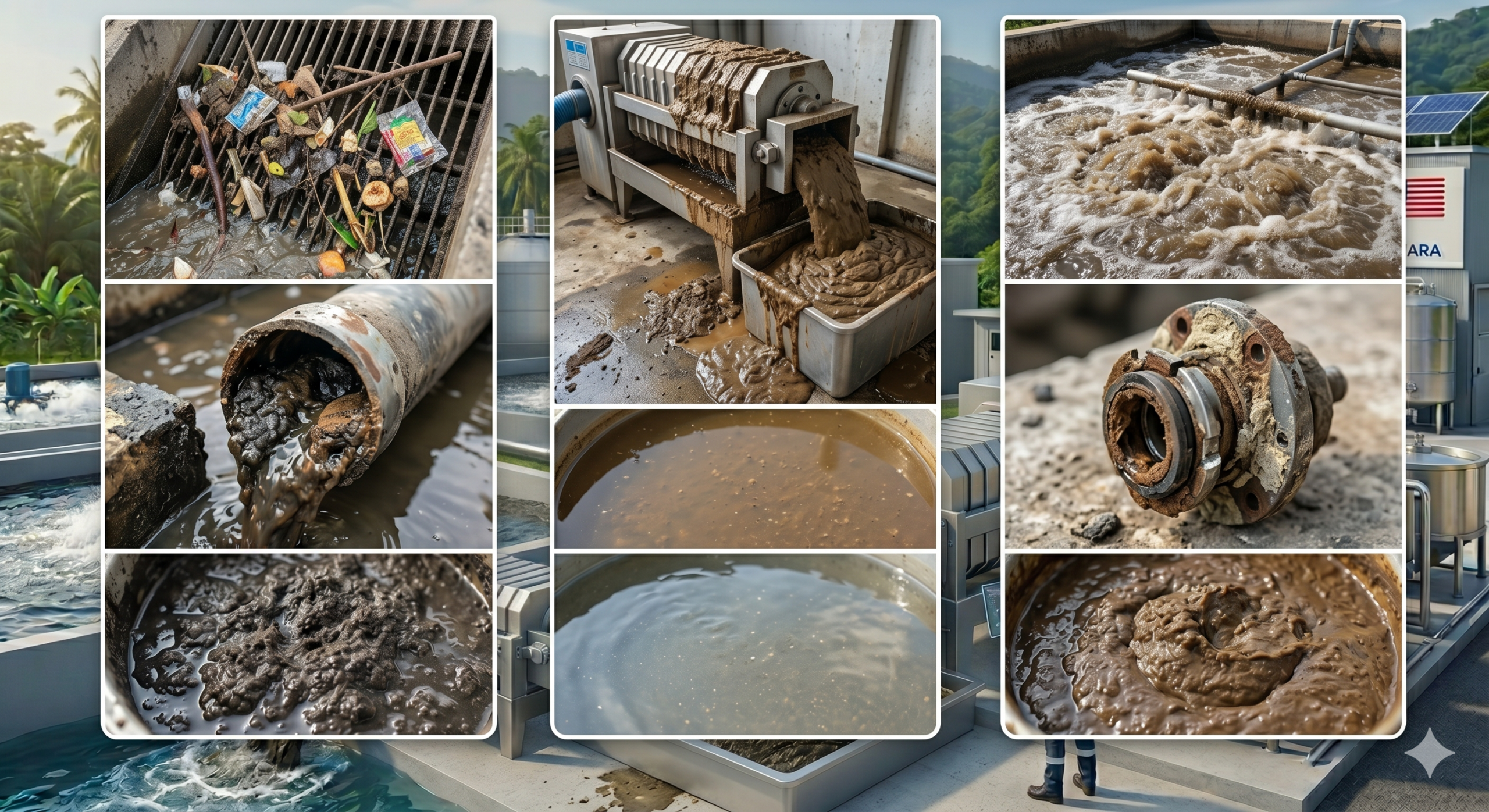
Beyond The Flush: Uncovering The Real Risks In STP Maintenance
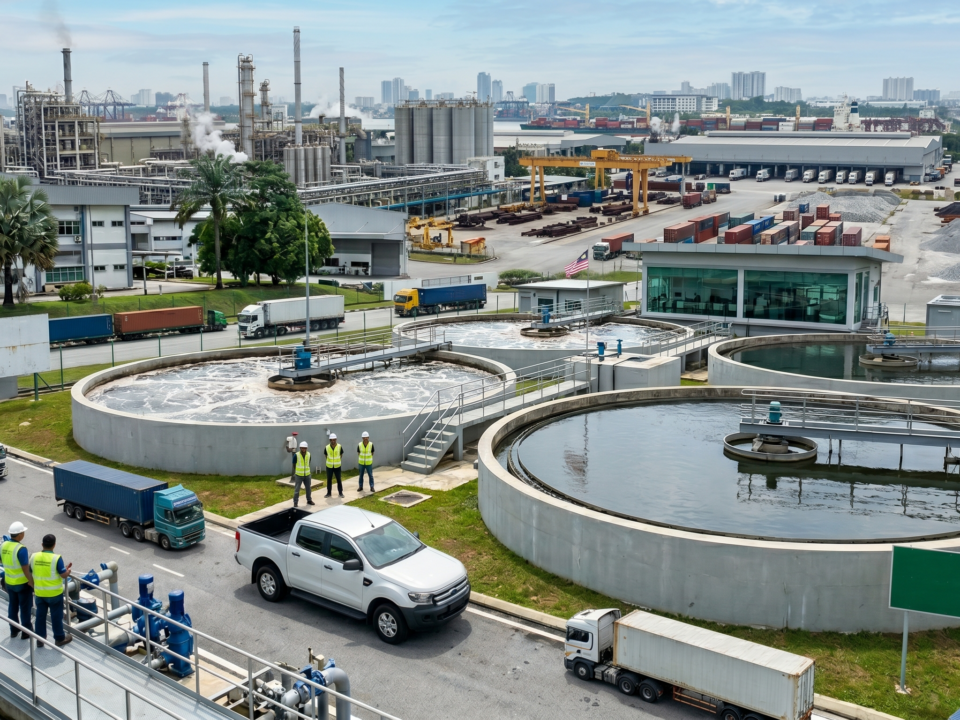
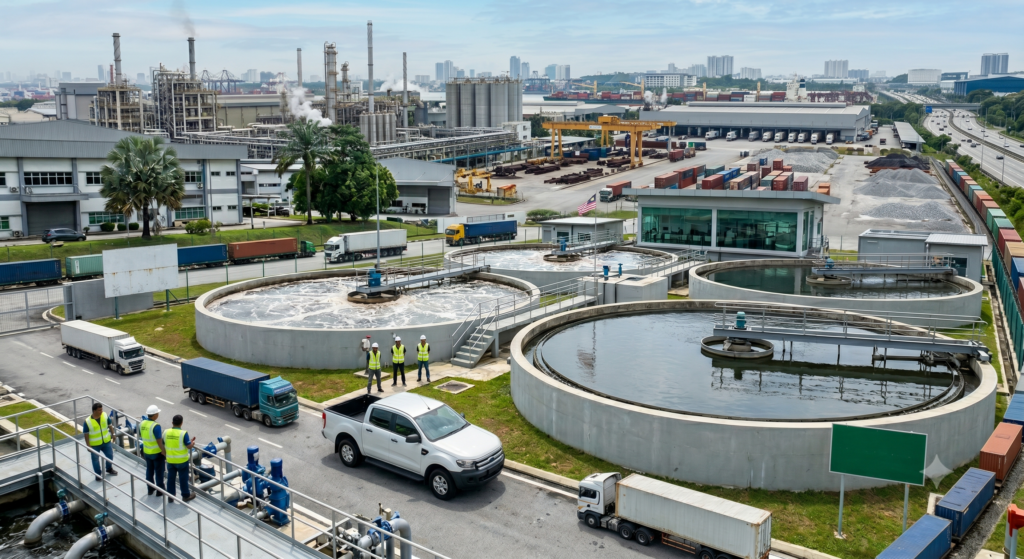
Every day, millions of Malaysians flush and forget, trusting that a hidden system will manage the rest. But beneath the surface, a complex network of sewage treatment plants (STPs) is often faltering, not from catastrophic failure, but from a thousand tiny cuts of improper maintenance. This isn't just about unpleasant smells or environmental fines; it's about systemic risks that threaten public health and operational stability. In this investigative look, we pull back the curtain on the frequent, yet avoidable, errors plaguing STP maintenance across the country. We will explore the deep-seated challenges in governance, tackle industry-specific bottlenecks like grease management, and highlight the urgent need for proactive care, ultimately showing a clearer path towards a sustainable and compliant future.
The Hidden Dangers Of "Good Enough" Maintenance
Many STP failures begin silently. An operator might skip a daily check, a maintenance company might use a substandard part, or a crucial calibration is overlooked to save time. These seemingly minor lapses accumulate, creating a domino effect. For instance, an improperly maintained aeration system leads to low oxygen levels. This suffocates the beneficial bacteria responsible for breaking down waste, causing the system to turn septic. The immediate consequences are foul odours and effluent that breaches Department of Environment (DOE) regulations. Over time, this leads to irreversible damage to system components and a complete operational breakdown, resulting in costly emergency repairs and significant environmental penalties. The root cause is often a simple error, a shortcut taken during what was perceived as routine upkeep.
When The Bottom Line Compromises The Pipeline
For many private STP owners, particularly in commercial or industrial sectors, the plant is a non-revenue-generating utility. This naturally creates a pressure to minimize costs, a mindset that can directly conflict with the stringent demands of environmental compliance. This "cost-cutting first" approach often leads to two critical problems. Firstly, maintenance budgets are squeezed, resulting in delayed repairs and the use of cheaper, less effective chemicals or parts. Secondly, it contributes to a significant shortage of genuinely competent, certified operators. While a certificate is a starting point, it doesn't guarantee the diligence and hands-on expertise needed to troubleshoot a struggling plant. This governance gap—prioritizing savings over skilled management—is a primary driver of non-compliance and system decay in the private sector.
Tackling Specific Headaches: FOG And Fragmentation
Beyond general maintenance, certain industries face unique operational bottlenecks. For food and beverage outlets, restaurants, and hotels, the biggest enemy is Fats, Oils, and Grease (FOG). When discharged into the system, FOG congeals, blocking pipes and pumps. More critically, it coats the surfaces within the STP, starving the treatment bacteria of oxygen and effectively crippling the biological process. Managing FOG requires more than just standard maintenance; it demands specialized grease traps and a rigorous cleaning schedule.
Another major challenge is the fragmented nature of infrastructure in Malaysia. Many older commercial lots and residential developments rely on numerous small-scale, decentralized plants. From a maintenance perspective, this is highly inefficient. Servicing dozens of small, scattered units is far more complex and costly than managing one large, central facility, making it difficult to ensure consistent performance across all sites. This operational reality is a key hurdle for any large-scale sewage treatment plant malaysia strategy.
Shifting From Reaction To Prevention: The Case For Desludging
The conversation about wastewater isn't complete without addressing the source. For millions of properties connected to septic tanks, there is a pervasive public inertia—an "out of sight, out of mind" mentality. Many homeowners delay or completely ignore the need for regular desludging. An overflowing septic tank doesn't just create a mess on your property; it releases untreated sewage into drains and groundwater, posing a direct health risk to the community. This effluent eventually makes its way to a downstream plant, overloading it with solids and contaminants it wasn't designed to handle. Proactive and scheduled desludging isn't just a maintenance chore; it is an essential public health practice and a critical first step in protecting our shared water resources.
Embracing The Future Of Wastewater Management
Fortunately, the future of wastewater management looks promising, with emerging trends offering powerful solutions to these long-standing issues. The concept of a circular economy is transforming how we view sewage, shifting the perspective from "waste" to "resource." Modern technologies allow for the recovery of treated water for non-potable uses like landscaping and industrial cleaning, while biosolids (sludge) can be converted into fertilizer or even biofuel. This approach not only reduces environmental impact but can also create new revenue streams.
Simultaneously, the integration of digital monitoring is revolutionizing day-to-day operations. By equipping each sewage treatment plant malaysia with IoT sensors, operators can gain real-time data on performance, from oxygen levels to pump status. This allows for centralized control and predictive maintenance, enabling teams to fix problems before they escalate and manage scattered plants with far greater efficiency.
Ultimately, safeguarding our water systems requires a fundamental shift in mindset. The frequent errors in routine maintenance, driven by cost pressures and a lack of specialized knowledge, pose a clear and present danger to our environment and public health. Moving forward, we must view professional STP maintenance not as an expense, but as a critical investment. By addressing governance failures, tackling operational bottlenecks like FOG, promoting proactive desludging, and embracing new technologies like resource recovery and digital monitoring, we can ensure our wastewater infrastructure is not just compliant, but truly sustainable. It's time to look beyond the flush and commit to the professional care our systems—and our country—deserve.